Liv’s ‘Bag of Kisses’ Valentine’s Day Project

February 11, 2013

***Congrats to Ashley D. on winning the $100 Minted.com giveaway!! Thank you to everyone who entered***

Liv and I made little Valentine’s Day treat bags for her grandparents and great grandparents (they were inspired by this version we made last year for Mother’s Day with drawings by Liv and taffy), and this time around we filled the little clear bags with Hershey’s kisses to officially send ‘Bags of Kisses’ through the mail.

BUT, before I share this super easy and customizable candy bag, I have to share that we had our little gender reveal party yesterday and it was so much fun! So neat to experience the awesome surprise of what we’re having with everyone at the same time!! Caught it on camera so I can share the surprise with you all. But you have to wait just one more day or two while I edit the video! So sorry for the suspense… let me just say I was totally caught off guard!

Okay… back to the cute little baggies :) .

********************************************************************************************

‘Bag of Kisses’ Treat Bags

m
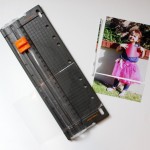
Materials: pretty paper, clear treat bags (almost any size will work – I used 5×7 bags for this project and 4×6 bags for today’s project), an optional photo or image for the bag, Hershey’s kisses, paper cutter, glue/stapler 

A very quick and simple project to assemble.

First up was Liv’s Valentine’s Day photo shoot! I actually caught Liv on a day that she was wearing her little tutu (as a ‘ballerina’ – which rarely happens) and handed her a construction paper heart to play with (I made two which turned out to be the smartest plan because the first was crinkled and torn before I had even pulled out my camera).

Then we shot away!

500 pictures later (in about 45 seconds) and Liv was smiling and standing and carrying the heart in the same photo. I love that middle shot – I always have to take a ton, but it’s always worth it.

Actually this might be my favorite:

We turned it into the little card that we’d send out with the bags:

Ahhh and here’s Liv last Valentine’s Day! One year makes a huge difference.

After processing the photos, I ended up cropping both the bag and photo to make the finished bags just a little smaller.

Then into the bag went a handful of kisses and on the top of the bag a cut rectangle of a pretty paper (from the scrapbooking aisle) that was folded in half. You could easily staple the top directly onto the clear bag as well, but I tried something new for a seamless look this time around with glue.

Finished!

I couldn’t decide on which pose I loved best, so I made several of each:

Here’s the entire project in one quick collage:

********************************************************************************************

This is a favorite and easy project in our house, we’ve made them for Mother’s Day (which I referenced above here) but you could use them for parties (they make great favor ‘thank you’ bags) or as treats for school. You could really add any image (be it a favorite photo, paper, fabric square, etc) as the backdrop or even leave it blank as a clear bag. Use a solid piece of paper at the top to include a little message, too! And we’ve also filled these with miscellaneous goodies such as confetti or glitter just for added fun.

Valentine’s Day is just around the corner! Here’s a quick link to search by all heart-day related posts.


Tags: , , , , , ,
Posted in Crafty Solutions, DIY, Family & Friends, Favorites, Handmade Gifts, Holidays, Olivia, Parties & Entertaining | 6 Comments »

The Ultimate Painting Cheat Sheet

January 31, 2013

Do you ever puzzle over which type of paint should go where? Flat or gloss for the kitchen? What type of roller for the cabinets? Should I invest in a synthetic or natural brush for latex paint? To prime or not to prime (that is the question). I am always quizzing the paint desk folks at my local home improvement store with questions like these.

This in mind, here’s a cheat sheet that I’ve put together with the help of paint specialists Nicole Jones and Kimberle Greene of Olympic Paint. Olympic teamed up with us to paint the exterior of our home and I have been blown away by their helpfulness and expertise with the project!

This post includes super helpful tips on topics such as how to choose your brush type, when and where to prime, and even stain application suggestions for wood makeovers.

But because I’m all about a visual cheat sheet, if I could wrap all of the paint sheen tips into one graphic that would be easy to pin, print out for a trip to the store or post on my bulletin board, here it is:

Now I need to process all of that through my long term memory asap. But first, let’s jump into the full Q&A with Nicole and Kim!

Let’s start off with a frequently asked question… what are your tips for high traffic areas and living spaces?

Flat to satin for most rooms depending on how busy your home is and satin/semi-gloss for bathrooms, kitchens and kids rooms or even laundry rooms.  When choosing the right paint for a project, it is important to consider the durability attributes of the paint and sheen. Typically, the higher the sheen, the higher the durability; therefore, satin and semi-gloss sheens are usually recommended for high-traffic areas where the paint finish needs to withstand multiple scrubbings and resist staining. Super-premium paints like Olympic ONE, however, have advanced durability benefits like superior scrub and stain resistance in all sheens.

What about bathrooms and kitchens?

In high-moisture environments, like kitchens and baths, rooms require paint with mildew-resistance. Some paint lines have kitchen & bath specialty products and some paint lines offer mildew-resistance in all sheens. In the Olympic line, our ONE paint has mildew-resistance in all sheens and is appropriate for high-moisture areas, and we also offer Premium Kitchen & Bath Semi-Gloss.

Lets talk about ceilings and trim work for a moment.

Flat works best for ceilings, however if you’re painting a bathroom, kitchen or kid’s room a semi-gloss may be more appropriate considering the high levels of moisture and or accidents that can occur in these areas. The higher you go in sheen, the easier it will be to clean. Though, if there are problem areas, flat will be best in all cases (glossy paint tends to accentuate flaws such as uneven walls or textures).

Satin and semi-gloss sheens are great for trim. Though if using Olympic ONE interior paint, any sheen could work including flat for those that prefers no sheen.

What type of paint do you recommend for furniture?

A satin to high gloss sheen of paint will work great here. First however, if there is an existing coating of varnish or lacquered paint finish that already exists on the piece, sanding and priming may be required to dull/remove the sealer or glossiness and prepare the surface prior to painting. NOTE: The paint finish should be allowed to cure (dry) fully prior to everyday use.

When and where must we prime, and when can we skip it? 

When in doubt of whether or not to use a primer the first test that can be performed is the water test. In an inconspicuous area spray some water on the wall. If the water absorbs quickly, a primer will be needed. If the water beads and rolls down the wall without much penetration a primer may not be needed. However, if not sure whether latex or alkyd paint is currently on the wall, another test can be performed using nail polish remover (acetone). Apply a small amount of the nail polish remover to a cloth and wipe the wall in a circular motion. If the paint comes off onto the cloth, then the current coating is latex. If the paint does not come off on the cloth, then the current coating is alkyd. When applying a latex coating over an alkyd coating, a primer is recommended.

A primer is also recommended when dealing with the following:
-Difficult stains such as water marks or smoke
-Visible debris, oils etc.
-Shifting from an extremely dark color to a n an extremely light color

I’ve recently been experimenting with staining wood to bring it back to its natural brilliance, any suggestions for this process?

Make sure that the surface is clean. If any sanding or puttying is needed, be sure to take care of it before applying the first coat. Always keep a wet edge, in other words once you start be sure to complete the entire area before stopping to take a break (i.e. if you’re staining a chair and you start on the back, complete the back before moving to another section). After applying the stain use a varnish or polyurethane to seal it and provide a protective finish.

If I’m attempting to hide wall stains (not mold or water damage but more of the kid’s marker/previous home owner variety), what do you suggest?

If you’re referring to stains such as dirt, oil, marker etc. spot priming would be fine so that the stains are sealed in and don’t bleed through the paint finish.

We recently tackled the exterior of our home and learned quite a bit from Heather, our Olympic paint rep. What are your thoughts for choosing exterior sheens? 

For exteriors, flat and satin are typically recommended for siding. Flat is less likely to show imperfections. Semi-gloss and gloss are recommended for accents (such as shutters) and trim – the higher sheen allows these architectural details to pop. It is also important to consider a paint that will resist dirt, mildew, cracking and peeling to provide a longer lasting finish. Additionally, super-premium exterior paints can “bridge” hairline cracks, helping provide a smoother finish when painting over old paint. In the Olympic line, our Premium Exterior paint features a proprietary technology called Dirtguard™ that helps rain naturally wash away dirt and grime, keeping siding cleaner longer, in addition to offering the other properties that help provide a longer lasting finish.

Lets talk about tools. When should I use an angled brush, foam brush, roller, etc? Natural, synthetic, nylon, foam – there are so many choices?

Use a brush (2 ½” angle brush to cut-in the walls (paint the edges and corners)) or for painting trim. Be sure to use the appropriate brush with the product i.e. if your painting using a latex based paint, then you would not want to use a natural bristle hair brush because the filaments will swell and make it difficult to paint. A synthetic blend or nylon will be best.

Quick brush guide:
-Use a foam brush or roller when painting super smooth surfaces (cabinets)
-Use a roller to paint in the remaining unpainted area once cutting in is complete. The roller will allow you to cover more area and at a faster pace than brushing alone.
-The type of roller will vary by the smoothness or roughness of the substrate. Smoother walls/substrates will require a shorter nap (3/16”, 3/8”) whereas a semi-rough to plaster wall may require a 1/2” nap or more.
-Rags are appropriate for staining. There are also brushes that are specific to staining.

Additional resources:

We have a lot of great color tips on our website (my favorite is the visualizer color tool) and here’s a link to our full range of color brochures. Give this fun color personality game a go, as well!

***************************************************************

Thank you so much, Kimberle and Nicole!

Images can be found at Olympic.com and BHG.com


Tags: , , , , ,
Posted in Construction, Crafty Solutions, DIY, Favorites, Guest Blog, Guest Post, Home, Project Lowe's, Renovating Adventures, Tips & Ideas | 5 Comments »

Kitchen Additions: New Breakfast Nook, Tufting Tutorial

January 21, 2013

On Friday I shared our new breakfast nook in the kitchen:

And I’d have to say that my very favoritist part of this project is the new tufted backing to the bench (in that beautiful citrine vintage blossom!). That bench is actually two 24″ above-the-fridge cabinets with a new set of Ikea legs (refrigerator cabinets are actually a great size for seating – they’re generally 18″ or so inches deep, 12-15″ high – though the added legs help – and 24-36″ long). The tufted backing helps to add a comfy and cozy feeling to the space and gives the eye something to focus on.

Today’s post is about the DIY tufting portion of the nook because that was a pretty decent (but totally doable) project that I’ve been really looking forward to sharing with you (that, and a few live and learn lessons along the way – because there are always a few :) ).

Here are links to posts about our adventures in finding the right bench seatscushions, the ugly plywood window design dilemma we ran into, the revealing of the tufted backing (after much ‘what is this space missing?’ pondering), the initial inspiration for the project and pulling it all together.

I owe a good majority of this next tutorial to Jenny and her awesome tufted headboard guide. Be sure to head on over there if anything here is a bit hazy, or just for more great tufting advice from a real expert. I changed things up a bit (such as using plywood instead of pegboard, stapling my tufts instead of sewing) and by incorporating tips from other tufting posts I’ve read over the years, and this project was a bit of a culmination of all of the above.

*******************************************************************************

Tufted Bench Seat Backing

m
These are the same steps when it comes to tufting and creating your own upholstered headboard, coffee table-turned-ottoman, fabric covered bench, etc. and while you may be modifying tiny details only (like corners) I’ve used these basic tips on various projects – no need to limit it to a bench back!

Materials for a 48″ long tufted bench back: 3 yards of fabric, 28 DIY buttons (usually sold in a kit of 5-8) – I used 5/8″, staple gun, 1/2″ staples (the longer the easier to drive through foam and into plywood), 48×38″ plywood (or whatever the height of your bench back), 48×22″ three inch foam, high loft batting to cover front and back.

My first step in this project was selecting a sturdy material for my bench back base. Options for a tufted frame include plywood, pegboard (a suggestion from Jenny that makes measuring and sewing tufts super easy) or an existing headboard, bench, etc that already features a neat shape (like this one).

For this project I ended up choosing 1/2″ plywood since I was looking for a material that would stand on its own (pegboard is best attached to a wall) and is a custom size and shape (no existing frame could be found, though I tried). Plus, I’m stealing one of my previous staple gun tufted button tips from another headboard makeover rather than sew the buttons on myself (which is where pegboard would be oh-so helpful).

I’ve learned to love 3″ foam for tufted projects (learned this lesson the hard way using 1″ on a coffee table-converted-to-bench a few years ago back and 2″ on a headboard a while back). 3″ looks deep and professional, yet is still a manageable thickness with non-upholstery tools. Unfortunately Joann’s fabrics was out of this particular size when I visited late one evening so I ended up stacking a 2″ + 1″ piece for the same finished look.

I recommend cutting your foam (easiest with a serrated knife, electric knife or sharp shears if foam is thin enough) so that it is slightly larger than the plywood below. Will help keep those corners soft, smooth and beautiful, too!

Next, I marked my tufts off on the top of the foam. I love the look of close tufts!

A paring knife dug out a quarter ish sized circle out of the foam and all the way through to the plywood below.

It’s helpful to find an old one (thrift store find) that you won’t need in the kitchen anymore! This guy was quite dull by the time I finished my 28th cut and I’m sure it was full of bits of broken foam.

Before applying a spray adhesive to the two separate pieces of foam (I actually found it much easier to cut through one and then lift that layer up and finish cutting through the lower layer, rather than at the same time), Liv used them as yoga mats. :)

The foam is adhered to the plywood with spray adhesive as well, then a high-loft batting is wrapped around the entire piece. It was important to me that the bottom portion of the bench backing (while not tufted so it fits easily behind the the benches and against the wall) is also covered in fabric, and extending the batting down keeps the look soft and consistent all over.

No need to spray adhere the batting to the foam, you’ll actually want the flexibility and stretch of the batting as you tug and pull it into various tuft crevices as you staple in the next step.

Now’s a great time to mention how you can create the same tufted look if you didn’t want to go the stapling route. My method is pretty simple – instead of drilling holes into the plywood and using upholstery needles to sew each tufted button to the backing, I simply staple each tuft down and then cover the staple with a glued button. Easy peasy. But, if you were opposed, you could complete all of the above steps while also marking off your plywood and drilling a small hole at each tufting mark. Then this next step will turn into an upholstery needle + sturdy thread project rather than staple gun.

Back to where we left off. Because my choice of fabric for this project is a patterned fabric (found here), I needed to adjoin two 54″ sections of the fabric to keep the pattern running vertical (rather than turning the fabric on its side and running it horizontally, meaning my birds would be sitting sideways when looking at the bench seat). Fabric typically comes in 48-60″ widths and two 54″ (the width of this fabric off of the bolt) fit the 48″ plywood perfectly after all tufting. If you were using a solid you might easily cover the entire top portion of the bench backing with 2.5 continuous yards (though I might purchase 3 +1 for the skirt just to be on the safe side).

To do this, I started at the very center of the board with one 54″ section and tufted the entire right side, then overlapped the second 54″ section on the left and slowly intertwined the the two fabrics into the tufting down the center.

My first tuft starts with pushing the fabric and batting directly through the foam until it touches the plywood.

Then inching the staple gun into the deep fabric hole, attach fabric to plywood.

You might go through a lot of staples in this next step! I had staples popping left and right and that’s just the nature of shoving a staple gun into so much foam and batting and fabric. Patience will serve up one clean staple per tuft and that’s all you really need.

Extend the new tufts out from the center. As I worked my way from one tuft to the next, I was careful to watch how the fabric folded out from each tuft. You can control the diamond shape of the fabric between tufts by pulling and folding the fabric as you go, or you might opt for a slightly more random look by allowing the fabric to gather out in all directions from each tuft. Another helpful hint: use the pattern to make sure you’re working in a straight line. All of the folding and pulling can slowly veer you off in one direction or another and you won’t realize it until you’re 3 tufting rows down.

Half way there!

Now it’s time for me to add the second 54″ section of fabric.

I began by overlapping the two fabrics by at least 12-18″ so that there was plenty of room for weaving the new fabric in and out of the existing center row of tufts (12″ is your absolute minimum, give yourself room to work here).

Cutting the fabric as I went allowed me to play with the zig zagging tufts and how the two fabrics would overlap so that eventually the adjoining of the two sections of fabric would be invisible.

Then on to the rest of the tufts and all the way out to the edges. My edges have not been secured at all just yet, and that’s on purpose. Sometimes you have to pull up several tufts to start over (as simple as pulling up staples, no big deal) and you don’t want a permanent feel just yet.

After my tufting is finished, I’ve moved on to securing the fabric at the base of the foam directly to the board. By pushing the fabric up a bit I can hide a staple easily (but I’ll cover this up again when I add the lower ‘skirt’) and keep the foam pushed up and perky instead of letting it fall flat or sag at the bottom (har har).

I technically could just extend both 54″ pieces of fabric straight down to the bottom of my board, but that leaves me with an ugly seam down the middle and a lot of gathered fabric. So instead, I cut those extra pieces off and reattached a correctly sized piece of fabric to the base of the tufts.

By flipping the fabric upside down and stapling the under side, I’m hiding my new staples and my previous staples from eye sight.

Now the base is one smooth, solid length of fabric. That extended batting makes a huge difference in look, too.

To secure the outside edges of the top of the back, simply pull the fabric carefully and staple, starting in the center of each of the three sides. Play as you go until the folds feel appropriate and the corners overlap nicely. You might prefer a straight fold that goes from tuft to top, or something with more of a ‘v’ shape. The fabric will tell you what it has in mind, too.

Having the batting wrap around to the back of the plywood will help keep your edges soft and smooth (the slightly larger foam helps a ton, too).

Not to be overlooked are the covered buttons! Button kits are available at most craft shops and I chose a 5/8″ size with serrated edges. This is a must! There are button kits with molds for forming buttons, or kits with serrated edging to grip that fabric and no mold. In my opinion the second option is much easier to work with (though I couldn’t find a link online at Joann’s to share the exact product). Big shout out to David and Michael for helping me finish 28 hand covered buttons in an hour – I still have feelings in my fingertips because of the help.

Makes a world of a difference! A small detail but one that finishes off the project perfectly. The buttons are secured with a strong dot of glue to the back of each, then I pushed them into the tuft crevice.

Finished!

The lumbar throw pillow with the fun zig zag print is by Etsy artist PillowMio and the dandylion print by MyModernHome. I purchase most of my inserts at West Elm because of how deliciously cozy and reasonably priced they are (and often ask the Etsy artists to sew the coverings to match the inserts if I can’t find the right size, I love them that much).

So thrilled with the new breakfast nook! Will keep you posted on the install of that new door to the left of the nook and the molding at the end of the island… when it makes it to the top of the list :) .

PS More on everything kitchen remodel (it started as a den at the back of our house) by sorting all blog posts by this tag.

And more on the breakfast nook transformation here: part 1, the inspiration, part 2, the bench, part 3, the cushions!, part 4, the ugly wall design dilemmapart 5, revealing the tufted bench, part 6, finished!

Related Posts Plugin for WordPress, Blogger...
Tags: , , , , , , , ,
Posted in Crafty Solutions, DIY, Favorite Fabric, Favorites, Home, Our Kitchen Remodel, Renovating Adventures | 8 Comments »