Kitchen Addition: New Breakfast Nook, Part 8 – DIY Framed Chalkboard

February 5, 2013

I have one more quick project to share from building the breakfast nook in the kitchen. See that big ole chalkboard above the new bench and table? Figuring out how to fill that space proved to be one of the hardest puzzle pieces with this entire project.

I love the final solution and it has already been a fun spot to share family messages (like Liv’s 2nd birthday!) but it took me a while to figure out how we would temporarily cover that massively large gap (and old window that’s hiding behind plywood and needing repair – on the list for this summer) that was left in the kitchen when the bench was finished.

We brainstormed ideas ranging from framed fabric wall art (one of my favorites), finding actual wall art, hanging a whiteboard or cork board, creating a faux roman shade (very clever, Mom) to a chalkboard. Nothing too permanent because we may end up opening up that window again this summer or trying something brand new with the space.

I thought a cool piece of fabric (like a remnant, silk scarf or even a chunk of something random like a tablecloth) framed would fit the bill, but then struggled to find a fabric that I wanted to hang as a focal point in the room — and one that also played nicely with the new tufted bench seat, pillows and bar stool cushions. No luck. I love me some mixed patterns but there were just too many in that little space.

My back up plan was an awesomely large frame to house a chalkboard. You can never have too many of those.

I made the frame first because it was such an awkward size. It had to be tall enough to cover the window and wide enough to look like it’s supposed to be there (and is not just covering up a flaw in the wall, which it actually is).

I could have built a frame from scratch, but that felt very, very daunting. I priced out purchasing a custom frame at that crazy size. Waaaaay out of budget. Then I stumbled again upon these giant Ribba frames at Ikea:

This frame is the same poster frame that I used on my semi-DIY fabric canvas artwork in the living room (my local Ikea doesn’t carry the birch version anymore :( ). It’s SO big at just over 28×40″, and at $25 it’s a killer steal in the framing world.

One would have not looked purposeful, it would have oddly sat above the breakfast nook and would not have tied in in the two Rifle prints to the right of the seating area. The chalkboard needed to go big. After carefully measuring, I purchased two of the Ribba frames with this plan in mind:

First disassemble both frames, next reassemble one giant frame using just the longer 40″ edges.

Disassembling was actually quite tricky! You would think that an Ikea frame would pop easily apart. Oooohhhh no. I assumed I could pull out the staples that held the perfectly mitered corners together (the hardest part of building your own frame) and re nail gun the edges. But after a little sawzall action late at night and about 20 nail gun holes later, I managed to reassemble my giant frame.

I wish I had pics of that night! Me, my red slippers, an air compressor and the power tools (don’t let anyone try to fool you – power tools are just larger versions of the craft tools we ladies know and love).

But it looked something like this when I was done:

Except that if you’re ever over at the house, don’t look so carefully at the corners. They are not so pretty with their wood glue remnants (who knew it wouldn’t dry perfectly clear?) and nail marks. I just keep telling myself it’s a great temporary solution.

For the chalkboard on the inside, I headed down to my local Lowe’s, found a sturdy and flat piece of particle board and gave the nice milling guy my dimensions.

Three coats of chalkboard paint later and we were done! Also don’t look too closely at the black paint either – you might see an accidental footprint. For the record I also added three coats of magnetic paint under the chalkboard paint but the finished product is not quite strong enough to hold anything up. Ah well.

Hanging the frame and board was a bit of a challenge… the Ikea frame was not sturdy enough to hold such a large board (even particle board) so I reinforced the entire frame by driving a few nails directly though the chalkboard and into that plywood window that we were trying to cover up. Very convenient that it was there! An alternative might be to use a much lighter type of board (perhaps even plexiglass?) or to build a much sturdier frame to support so much weight.

And that’s the story behind the giant chalkboard :) .

These days I love how the black paint looks against the black of the botanical frames and the grey floors, it really is the perfect solution for this spot.

PS More kitchen renovation posts found right here. And breakfast nook building here: part 1, 2, 3, 4, 5, 6, 7

PPS Thank you so much to Calico Corners for including my breakfast nook project in your most recent newsletter! Such a big honor, thank you, thank you, thank you.


Tags: , , , , , ,
Posted in Crafty Solutions, DIY, Featured In, Home, Our Kitchen Remodel, Renovating Adventures | 6 Comments »

Kitchen Additions: New Breakfast Nook, Tufting Tutorial

January 21, 2013

On Friday I shared our new breakfast nook in the kitchen:

And I’d have to say that my very favoritist part of this project is the new tufted backing to the bench (in that beautiful citrine vintage blossom!). That bench is actually two 24″ above-the-fridge cabinets with a new set of Ikea legs (refrigerator cabinets are actually a great size for seating – they’re generally 18″ or so inches deep, 12-15″ high – though the added legs help – and 24-36″ long). The tufted backing helps to add a comfy and cozy feeling to the space and gives the eye something to focus on.

Today’s post is about the DIY tufting portion of the nook because that was a pretty decent (but totally doable) project that I’ve been really looking forward to sharing with you (that, and a few live and learn lessons along the way – because there are always a few :) ).

Here are links to posts about our adventures in finding the right bench seatscushions, the ugly plywood window design dilemma we ran into, the revealing of the tufted backing (after much ‘what is this space missing?’ pondering), the initial inspiration for the project and pulling it all together.

I owe a good majority of this next tutorial to Jenny and her awesome tufted headboard guide. Be sure to head on over there if anything here is a bit hazy, or just for more great tufting advice from a real expert. I changed things up a bit (such as using plywood instead of pegboard, stapling my tufts instead of sewing) and by incorporating tips from other tufting posts I’ve read over the years, and this project was a bit of a culmination of all of the above.

*******************************************************************************

Tufted Bench Seat Backing

m
These are the same steps when it comes to tufting and creating your own upholstered headboard, coffee table-turned-ottoman, fabric covered bench, etc. and while you may be modifying tiny details only (like corners) I’ve used these basic tips on various projects – no need to limit it to a bench back!

Materials for a 48″ long tufted bench back: 3 yards of fabric, 28 DIY buttons (usually sold in a kit of 5-8) – I used 5/8″, staple gun, 1/2″ staples (the longer the easier to drive through foam and into plywood), 48×38″ plywood (or whatever the height of your bench back), 48×22″ three inch foam, high loft batting to cover front and back.

My first step in this project was selecting a sturdy material for my bench back base. Options for a tufted frame include plywood, pegboard (a suggestion from Jenny that makes measuring and sewing tufts super easy) or an existing headboard, bench, etc that already features a neat shape (like this one).

For this project I ended up choosing 1/2″ plywood since I was looking for a material that would stand on its own (pegboard is best attached to a wall) and is a custom size and shape (no existing frame could be found, though I tried). Plus, I’m stealing one of my previous staple gun tufted button tips from another headboard makeover rather than sew the buttons on myself (which is where pegboard would be oh-so helpful).

I’ve learned to love 3″ foam for tufted projects (learned this lesson the hard way using 1″ on a coffee table-converted-to-bench a few years ago back and 2″ on a headboard a while back). 3″ looks deep and professional, yet is still a manageable thickness with non-upholstery tools. Unfortunately Joann’s fabrics was out of this particular size when I visited late one evening so I ended up stacking a 2″ + 1″ piece for the same finished look.

I recommend cutting your foam (easiest with a serrated knife, electric knife or sharp shears if foam is thin enough) so that it is slightly larger than the plywood below. Will help keep those corners soft, smooth and beautiful, too!

Next, I marked my tufts off on the top of the foam. I love the look of close tufts!

A paring knife dug out a quarter ish sized circle out of the foam and all the way through to the plywood below.

It’s helpful to find an old one (thrift store find) that you won’t need in the kitchen anymore! This guy was quite dull by the time I finished my 28th cut and I’m sure it was full of bits of broken foam.

Before applying a spray adhesive to the two separate pieces of foam (I actually found it much easier to cut through one and then lift that layer up and finish cutting through the lower layer, rather than at the same time), Liv used them as yoga mats. :)

The foam is adhered to the plywood with spray adhesive as well, then a high-loft batting is wrapped around the entire piece. It was important to me that the bottom portion of the bench backing (while not tufted so it fits easily behind the the benches and against the wall) is also covered in fabric, and extending the batting down keeps the look soft and consistent all over.

No need to spray adhere the batting to the foam, you’ll actually want the flexibility and stretch of the batting as you tug and pull it into various tuft crevices as you staple in the next step.

Now’s a great time to mention how you can create the same tufted look if you didn’t want to go the stapling route. My method is pretty simple – instead of drilling holes into the plywood and using upholstery needles to sew each tufted button to the backing, I simply staple each tuft down and then cover the staple with a glued button. Easy peasy. But, if you were opposed, you could complete all of the above steps while also marking off your plywood and drilling a small hole at each tufting mark. Then this next step will turn into an upholstery needle + sturdy thread project rather than staple gun.

Back to where we left off. Because my choice of fabric for this project is a patterned fabric (found here), I needed to adjoin two 54″ sections of the fabric to keep the pattern running vertical (rather than turning the fabric on its side and running it horizontally, meaning my birds would be sitting sideways when looking at the bench seat). Fabric typically comes in 48-60″ widths and two 54″ (the width of this fabric off of the bolt) fit the 48″ plywood perfectly after all tufting. If you were using a solid you might easily cover the entire top portion of the bench backing with 2.5 continuous yards (though I might purchase 3 +1 for the skirt just to be on the safe side).

To do this, I started at the very center of the board with one 54″ section and tufted the entire right side, then overlapped the second 54″ section on the left and slowly intertwined the the two fabrics into the tufting down the center.

My first tuft starts with pushing the fabric and batting directly through the foam until it touches the plywood.

Then inching the staple gun into the deep fabric hole, attach fabric to plywood.

You might go through a lot of staples in this next step! I had staples popping left and right and that’s just the nature of shoving a staple gun into so much foam and batting and fabric. Patience will serve up one clean staple per tuft and that’s all you really need.

Extend the new tufts out from the center. As I worked my way from one tuft to the next, I was careful to watch how the fabric folded out from each tuft. You can control the diamond shape of the fabric between tufts by pulling and folding the fabric as you go, or you might opt for a slightly more random look by allowing the fabric to gather out in all directions from each tuft. Another helpful hint: use the pattern to make sure you’re working in a straight line. All of the folding and pulling can slowly veer you off in one direction or another and you won’t realize it until you’re 3 tufting rows down.

Half way there!

Now it’s time for me to add the second 54″ section of fabric.

I began by overlapping the two fabrics by at least 12-18″ so that there was plenty of room for weaving the new fabric in and out of the existing center row of tufts (12″ is your absolute minimum, give yourself room to work here).

Cutting the fabric as I went allowed me to play with the zig zagging tufts and how the two fabrics would overlap so that eventually the adjoining of the two sections of fabric would be invisible.

Then on to the rest of the tufts and all the way out to the edges. My edges have not been secured at all just yet, and that’s on purpose. Sometimes you have to pull up several tufts to start over (as simple as pulling up staples, no big deal) and you don’t want a permanent feel just yet.

After my tufting is finished, I’ve moved on to securing the fabric at the base of the foam directly to the board. By pushing the fabric up a bit I can hide a staple easily (but I’ll cover this up again when I add the lower ‘skirt’) and keep the foam pushed up and perky instead of letting it fall flat or sag at the bottom (har har).

I technically could just extend both 54″ pieces of fabric straight down to the bottom of my board, but that leaves me with an ugly seam down the middle and a lot of gathered fabric. So instead, I cut those extra pieces off and reattached a correctly sized piece of fabric to the base of the tufts.

By flipping the fabric upside down and stapling the under side, I’m hiding my new staples and my previous staples from eye sight.

Now the base is one smooth, solid length of fabric. That extended batting makes a huge difference in look, too.

To secure the outside edges of the top of the back, simply pull the fabric carefully and staple, starting in the center of each of the three sides. Play as you go until the folds feel appropriate and the corners overlap nicely. You might prefer a straight fold that goes from tuft to top, or something with more of a ‘v’ shape. The fabric will tell you what it has in mind, too.

Having the batting wrap around to the back of the plywood will help keep your edges soft and smooth (the slightly larger foam helps a ton, too).

Not to be overlooked are the covered buttons! Button kits are available at most craft shops and I chose a 5/8″ size with serrated edges. This is a must! There are button kits with molds for forming buttons, or kits with serrated edging to grip that fabric and no mold. In my opinion the second option is much easier to work with (though I couldn’t find a link online at Joann’s to share the exact product). Big shout out to David and Michael for helping me finish 28 hand covered buttons in an hour – I still have feelings in my fingertips because of the help.

Makes a world of a difference! A small detail but one that finishes off the project perfectly. The buttons are secured with a strong dot of glue to the back of each, then I pushed them into the tuft crevice.

Finished!

The lumbar throw pillow with the fun zig zag print is by Etsy artist PillowMio and the dandylion print by MyModernHome. I purchase most of my inserts at West Elm because of how deliciously cozy and reasonably priced they are (and often ask the Etsy artists to sew the coverings to match the inserts if I can’t find the right size, I love them that much).

So thrilled with the new breakfast nook! Will keep you posted on the install of that new door to the left of the nook and the molding at the end of the island… when it makes it to the top of the list :) .

PS More on everything kitchen remodel (it started as a den at the back of our house) by sorting all blog posts by this tag.

And more on the breakfast nook transformation here: part 1, the inspiration, part 2, the bench, part 3, the cushions!, part 4, the ugly wall design dilemmapart 5, revealing the tufted bench, part 6, finished!


Tags: , , , , , , , ,
Posted in Crafty Solutions, DIY, Favorite Fabric, Favorites, Home, Our Kitchen Remodel, Renovating Adventures | 8 Comments »

Kitchen Additions: Breakfast Nook, Part 6 – Finished!

January 18, 2013

The new artwork is up! The tufted bench is finished! And the breakfast nook has a table and chair(s)!

It’s really wonderful to have this empty area of the kitchen finished and ready to go. Now walking into the kitchen space feels pretty complete, minus just a few additional updates (such as adding molding to the end of each side of the kitchen island and replacing the white door to the far left which you can see in below photos).

The space before:

And with all of the updates:

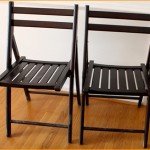
Which include new bench seats and cushions (a duo pair so we can move the seats around the kitchen, like we did when we moved them to the end of the island), a DIY tufted bench backing (revealed here, but here’s a link to the tutorial), new Craigslist table and thrift store chair and an over-sized chalkboard to cover up an ugly plywood repair (that we are waiting to fix this summer). Here’s a link to the calendar art that I DIYed last year that’s just to the right of the nook, I love that the art and fabric work so well together.

More to come on building that giant chalkboard, but because it was assembled from two pre made frames, it wasn’t a horrible task. I might use it for notes to share with the family, or maybe a few beautiful sepia photos on white mats to keep it a bit more organized. I attempted three layers of magnetic paint under the chalkboard, but alas it didn’t work out and a magnet won’t stick even if its life depended on it (and I threatened).

Prior to the chalkboard, I had attempted a faux window curtain, some sort of cool fabric art and a few other ideas… but the chalkboard ended up looking the best.

Here’s the other side of the kitchen for full perspective:

Kitchen Renovation - Spanish Contemporary

Have an awesome weekend and see you back here Monday for the full tufted tutorial post.

PS More on the breakfast nook transformation here: part 1, the inspiration, part 2, the bench, part 3, the cushions!, part 4, the ugly wall design dilemma, part 5, revealing the tufted bench

Related Posts Plugin for WordPress, Blogger...
Tags: , , , , , , ,
Posted in Crafty Solutions, DIY, Home, Our Kitchen Remodel | 6 Comments »